AI consultancy
Where a model helps, and where it does not.
- AI proposal reviews
- Model choice and cost
- Automation without a model
We build the systems, apps, integrations and automation your business runs on all day, put them live, and look after them afterwards.
No fluff. No open-ended timelines. No BS.
Clients whose software we built




We work with established businesses where software is the day rather than the brochure. The stock count, the approvals, the numbers that have to agree by Friday. We build the thing that holds all of it, and we build it to keep running.
Where a model helps, and where it does not.
Work that repeats stops needing a person.
One place your team actually works from.
From nothing to live, and actually used.
Every system reads from the same place.
We run businesses ourselves, so we know what bad systems cost.
The person on your first call is the person who writes your code. No account layer in the middle, and nobody junior inherits it once you have signed.
You get the scope in writing, a do-not-build list, and dates you have seen, all agreed before a line of code exists. Then the problem gets fixed rather than talked about.
We work in your tools, speak your language, and you always get one of us. Not a supplier you brief and wait on, and we stay until it is live and running.
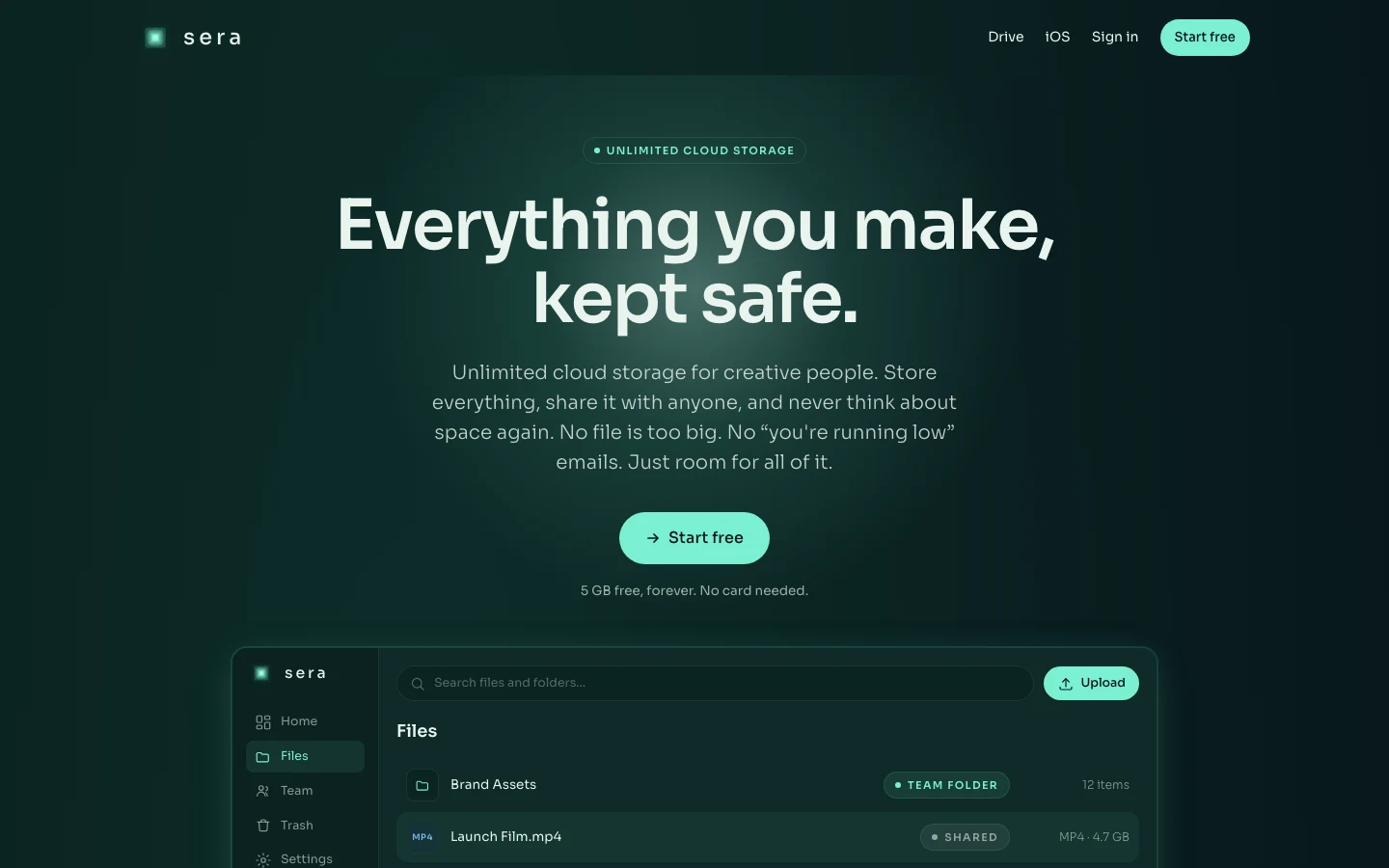
Files too big for everything else go up whole, and preview in place. Share links expire, and deleted files can be restored.
Live at usesera.io.
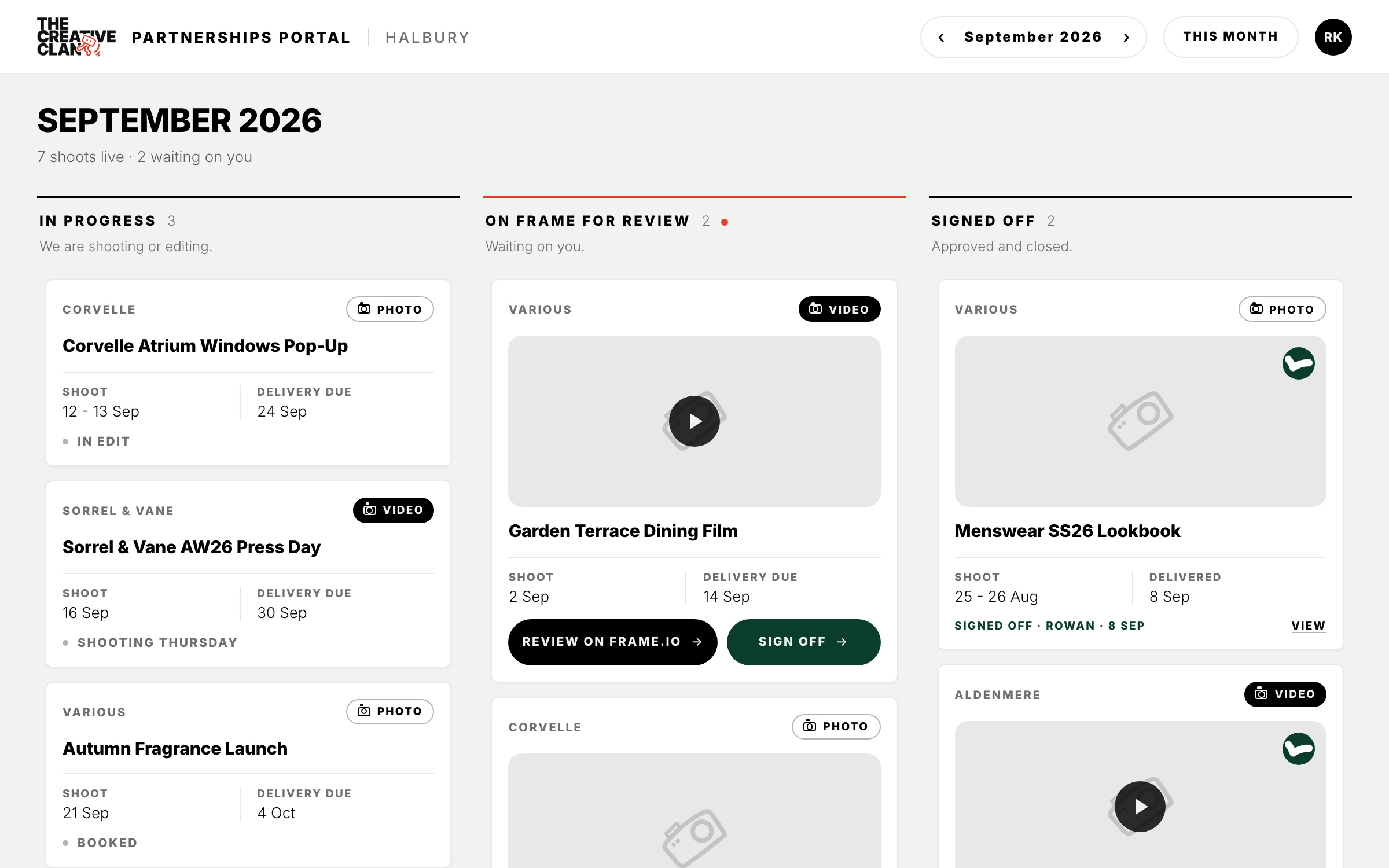
Their client opens a board, sees what is waiting on a decision, signs it off, and the work moves to invoicing.
Live.
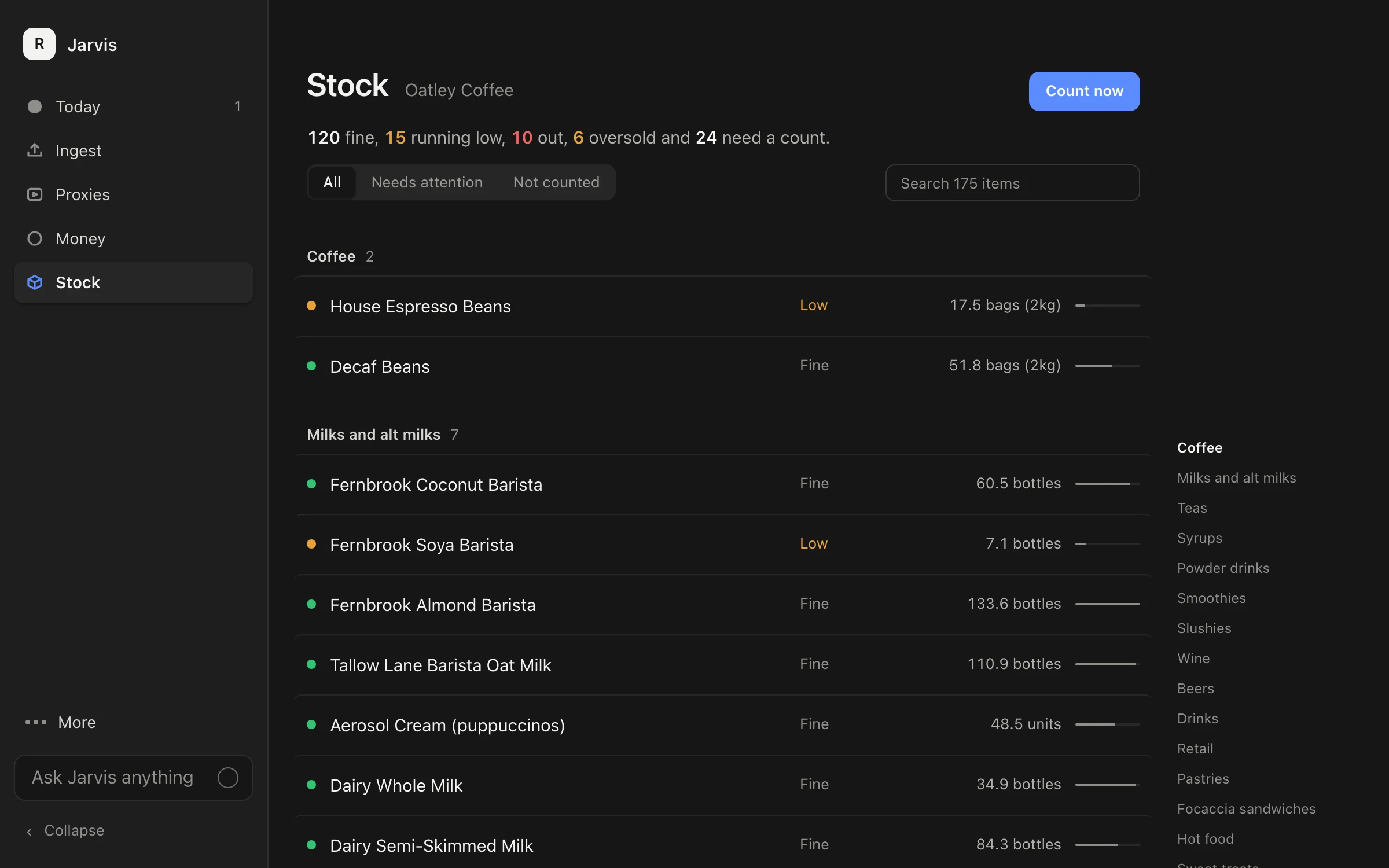
What is on the shelf, what it goes into, and what the next order should be, without anyone guessing.
Live, and in use every week.
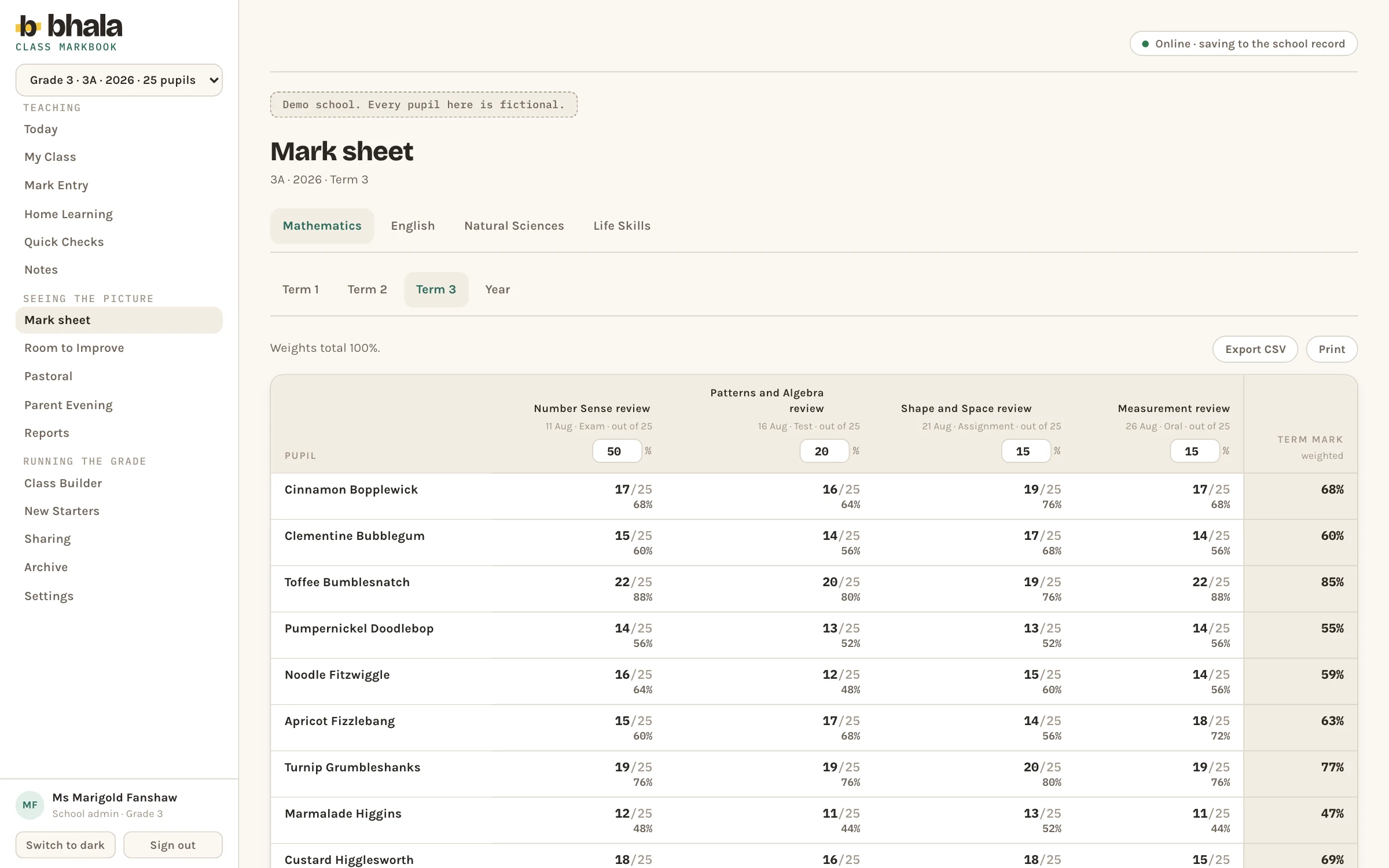
Marks are append-only and the database enforces it, absences are never scored, and mark entry works offline.
Finished and working, not yet stood up for a school.
The decision gets made once, in writing, and then we go and build it.
We tell you what it does and what it costs, and we say when we do not know.
Every scope arrives with a do-not-build list, agreed before anyone starts.
You get the source and the means to run it without us, from the day it goes live.
You run the business. We build what it runs on. Scoped. Built. Live.
Internal systems, apps and the joins between them. A stock and ordering system, a board your team works from, a portal a client signs off in, and the automation that moves a job between them. Usually a web application, sometimes mobile, and always something somebody opens on a normal working day.
Established businesses with real revenue, where software is what the day runs on. Usually the owner, or the person running operations who knows exactly which job is still done by hand. We are not the right studio for a startup wanting its first build, and we are not set up for enterprise procurement.
With a thirty minute call about what is slow. If there is work in it, we write a scope: what we will build, what it does, and a do-not-build list so the edges are agreed before anyone starts. Then a fixed quote, in writing. Nothing begins until you have read both.
Sometimes you should, and we will say so. If the software is the business and it will need changing every week for years, your own team is the right answer. Hiring costs you months, and the wrong hire costs more than that. We suit work that has a shape, a written scope and an end.
We would rather find that out in the first week than at handover, so you see working software early. If we think a build is going wrong, you hear it from us first. You own what has been built either way. If you want to stop, say so and we stop.
We do not sell hours and we will not guess on a call. Each job is scoped, then given dates in writing, with what we are working to and what would move it. If something slips you hear about it when it slips, rather than at the end.
Both, and the advice is better for the building. We write the code, put it live, and run it afterwards if you want us to. Most of what is on this page we still look after, which is why we can tell you what a thing costs to keep running.
You get the source, the accounts it runs on, the deployment, and written instructions somebody who did not build it can follow. If you never speak to us again it carries on working, and that is the test we build to.
Thirty minutes, no charge, with the people who would build it.
Bring the problem rather than a specification. If it is not work we should take on, we will say so on the call, and there is nothing to prepare.